Women’s Health Exercise Physiology In Toowoomba
Let’s Let’s grab mid-life by the v*gina.
Perimenopause and menopause can feel like a cruel joke.
Trust me I know, I’m here in the trenches.
But, we don’t have to lay down and take it.
Exercise is one of the best ways to grab mid-life by the v*gina, put yourself first for a change and make your 40’s, 50’s and beyond the best years of your life
Are you ready for movement (and life) to feel like a hell yes?
Exercise physiology for perimenopause & menopause is for women who:
Are feeling stiff and sore all the time
Aren’t sleeping as well as they used to
Want to minimise health risks post menopause
Have noticed an increase in pelvic floor symptoms such as leaking or heaviness
Who are feeling down about aging
Have stopped saying yes to things due to pelvic floor concerns or pain
Are feeling a loss of positive self-identity as a fit and active woman.
Have constant pain or niggles in their joints or muscles.
Perimenopause and menopause doesn’t have to be all doom and gloom .
In cultures where it’s viewed positively, menopause symptoms are significantly lower.
In fact, in Japan, there is no word for menopause.
Instead, they call it konenki: meaning second spring
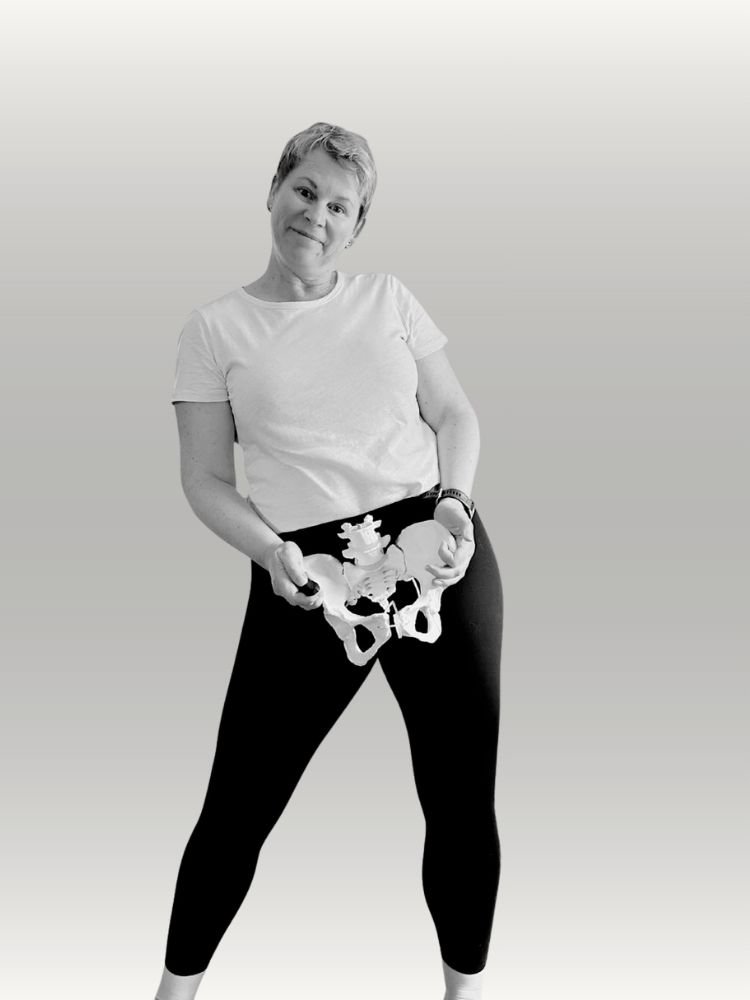
Hey, I’m Rach, your exercise physiologist and midlife woman
And I’m in perimenopause too.
I understand the body changes, the symptoms and the feeling that I’m pushing sh*t uphill.
But as hard as it can sometimes be to move consistently during this life stage, it really is one of the best things we can do for ourselves.
The key?
Movement and exercise that meets you where you’re at and supports the transition to your ‘second spring’.
I’m on a mission, will you join me?
A mission to help women build resilient midlife bodies, using:
assessments to get to the bottom of the issue
strategies to support your body from day one
and exercise therapy to build your system to the level you require.
Kind Words
From the floor:
-
My foundational qualifications are a Bachelors degree in Exercise and Sport Science, A Masters in Clinical Exercise Physiology and a Cert IV in Pilates Methodology.
Since graduating, I have completed many professional development courses focusing on women’s musculoskeletal health and menopause.
I have owned my own clinic for 6 years where I work with mostly midlife women, who have pelvic floor concerns, persistent pain, menopause symptoms or who want to optimise their health for midlife and beyond.
-
My fees are set based on my expertise, qualifications, and experience.
I have completed extensive additional training in pelvic floor function, biomechanics and exercise therapy, on top of my post-grad exercise physiology qualifications.
To learn more about the session prices, duration and inclusions, please click the “Book me in” button below.
-
As an exercise physiologist, I focus on movement, exercise and education to treat or help you manage your symptoms.
This includes a whole body focus, rather than just looking at the area of concern.
While it is outside my scope to diagnose or perform manual therapy, I still perform tests, assessments and use my hands to assess or guide you in your movements.
-
An exercise physiology assessment for pelvic floor function involves:
A pelvic health screening questionnaire
A chat about your life experiences; from sports, to work, to your health history
A posture assessment
Assessment of pressure management strategies
Movement analysis to look for compensations or limitations
Assessment of your muscle activation patterns (including breathing and core)
Testing of your strength and imbalances
A discussion to create a plan that fits your circumstances and your life.
-
No, you do not.
But you may be able to access a referral from your GP under a management plan if your pelvic floor dysfunction is chronic or you have another chronic condition such as low back pain.
This would qualify you for up to 5 sessions per calendar year, where you can claim a medicare rebate.