
Persistent Pain Exercise Physiology In Toowoomba
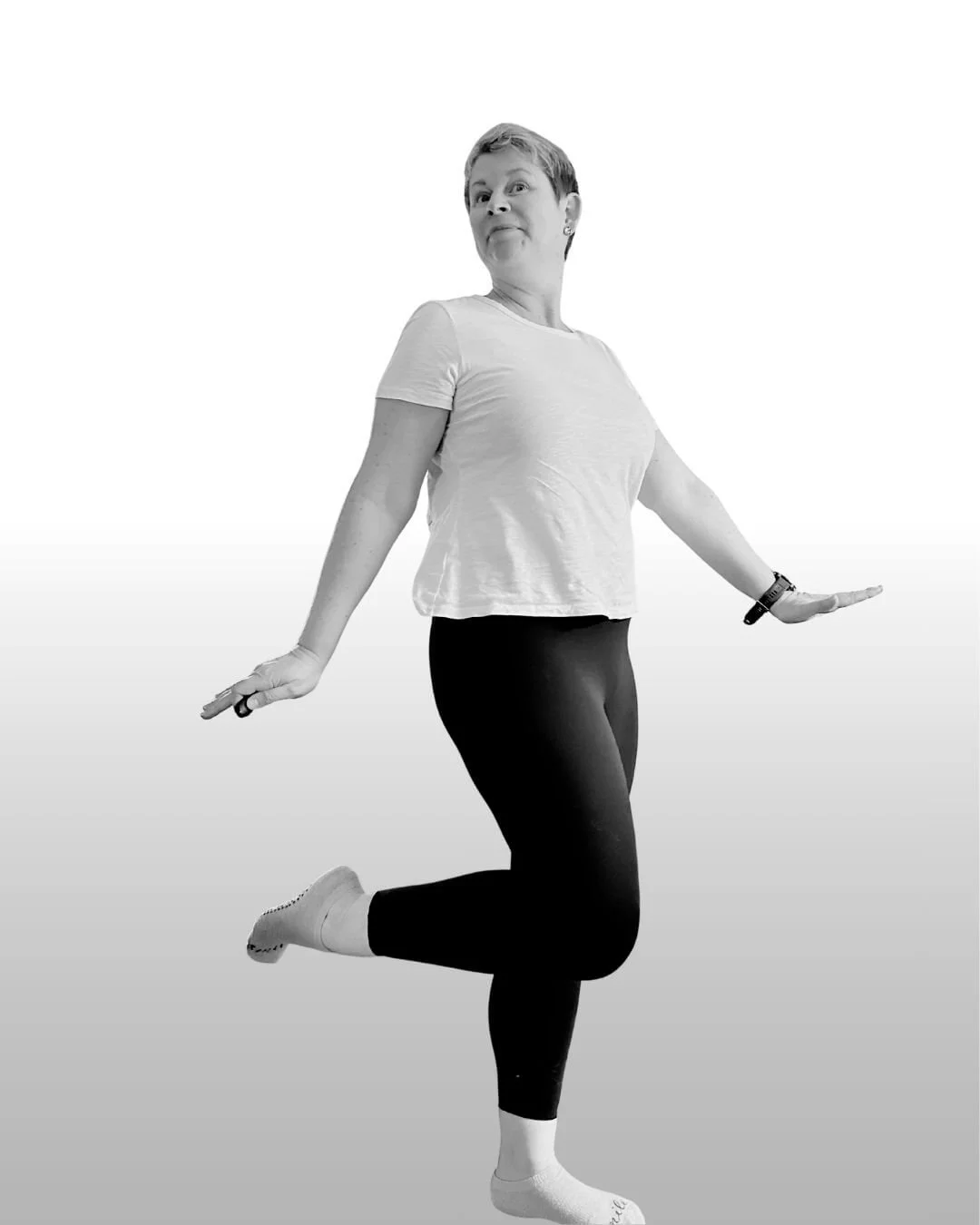
Let’s get some pep in your step.
Pain doesn’t have to be constant, or debilitating to be considered chronic or persistent.
You don’t have to put up with it. And it’s not “all in your head”
So let’s give your body a break from pain using movement that gives you confidence and gets you back doing the things you love.
Without having to suffer later.
Are you ready for movement (and life) to feel like a hell yes?
Exercise physiology for persistent pain is for women WHO:
Are worried about causing a pain flare with exercise
Want to be able to participate in exercise they enjoy again
Are relying on pain medication to get them through their day
Are worried that their pain is permanent and will only get worse with age.
Are feeling weak, unfit and disheartened about starting over
Say no to doing things because or their pain
Are feeling a loss of positive self-identity as a fit and active woman.
Pain can be complex but the solutions don’t have to be.
With persistent pain exercise physiology we’ll get your body moving in a way that doesn’t just feel good, it helps you manage your pain too.
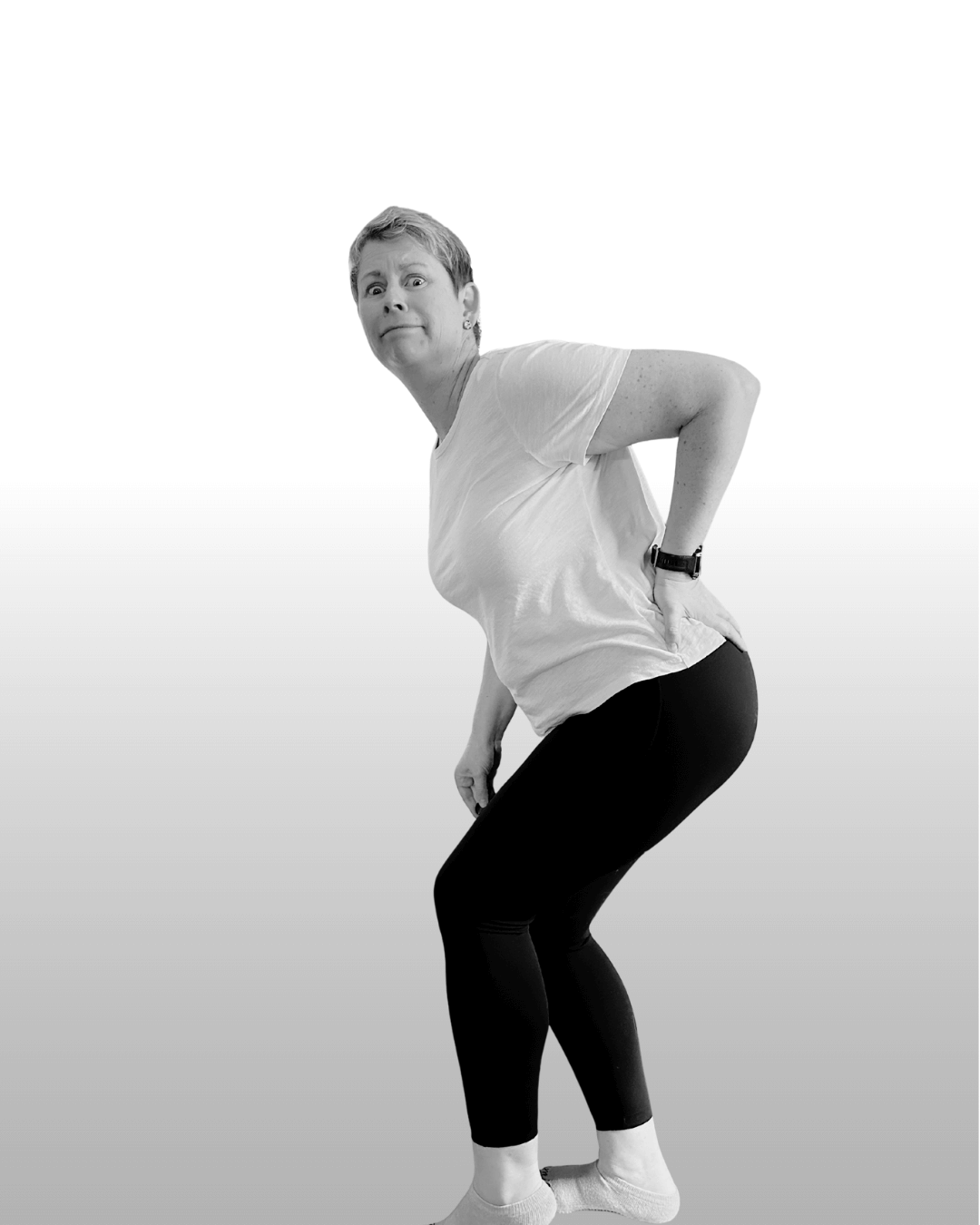
Hey, I’m Rach, your exercise physiologist and pelvic floor fanatic
I love the human body.
Specifically it’s ability to change and heal.
Because pain is often not the only sign or symptom letting you know something’s not quite right.
And sometimes I feel like a bit of a detective, putting all the pieces together with you, to solve the case.
Because the body is one connected system, and the clues aren’t always exactly where it hurts.
I’m on a mission, will you join me?
A mission to help women build resilient bodies, using:
assessments to get to the bottom of the issue
strategies to support your pelvic floor from day one
and exercise therapy to build your system to the level you require.
Kind Words
From the floor:
-
My foundational qualifications are a Bachelors degree in Exercise and Sport Science, A Masters in Clinical Exercise Physiology and a Cert IV in Pilates Methodology.
Since graduating, I have completed many professional development courses focusing on women’s musculoskeletal health and menopause.
I have owned my own clinic for 6 years where I work with mostly midlife women, who have pelvic floor concerns, persistent pain, menopause symptoms or who want to optimise their health for midlife and beyond.
-
My fees are set based on my expertise, qualifications, and experience.
I have completed extensive additional training in pelvic floor function, biomechanics and exercise therapy, on top of my post-grad exercise physiology qualifications.
To learn more about the session prices, duration and inclusions, please click the “Book me in” button below.
-
As an exercise physiologist, I focus on movement, exercise and education to treat or help you manage your symptoms.
This includes a whole body focus, rather than just looking at the area of concern.
While it is outside my scope to diagnose or perform manual therapy, I still perform tests, assessments and use my hands to assess or guide you in your movements.
-
An exercise physiology assessment for pelvic floor function involves:
A pelvic health screening questionnaire
A chat about your life experiences; from sports, to work, to your health history
A posture assessment
Assessment of pressure management strategies
Movement analysis to look for compensations or limitations
Assessment of your muscle activation patterns (including breathing and core)
Testing of your strength and imbalances
A discussion to create a plan that fits your circumstances and your life.
-
No, you do not.
But you may be able to access a referral from your GP under a management plan if your pelvic floor dysfunction is chronic or you have another chronic condition such as low back pain.
This would qualify you for up to 5 sessions per calendar year, where you can claim a medicare rebate.