
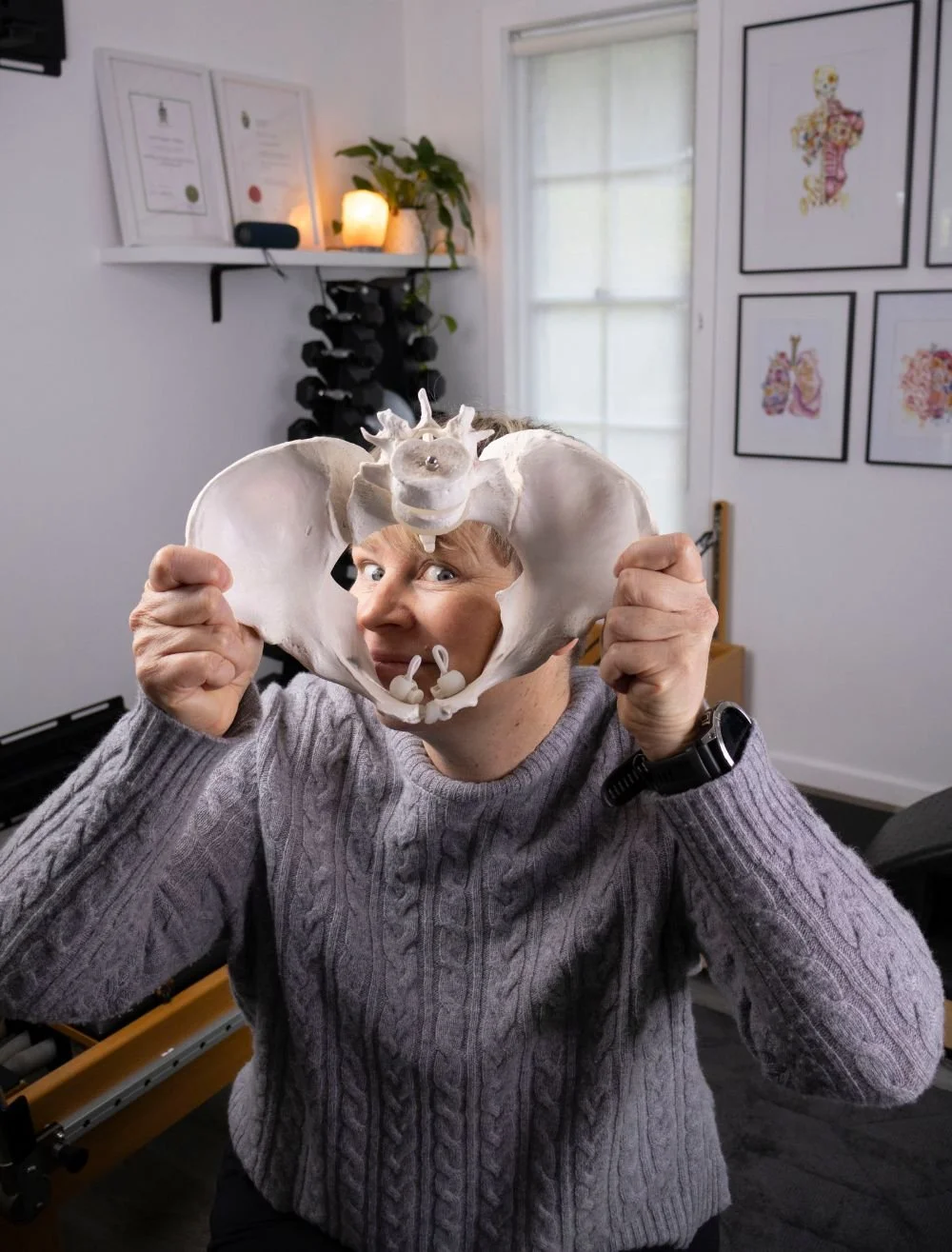
Pelvic Floor Exercise Physiology
A whole body approach to pelvic floor exercise therapy.
Kegel’s alone are (usually) not the answer.
With individualised exercise therapy, you can have a pelvic floor that is responsive, strong and capable.
From belly laughing with your friends, sneezing without crossing your legs, to running, lifting, jumping, or picking up your toddler or grandchild.
Change is possible, despite how bad things feel.
Are you ready to have confidence in your pelvic floor?
Your pelvic floor does not work in isolation and neither should your exercise program.
With pelvic health exercise physiology, we’ll get your body working for your pelvic floor.
Not against it.
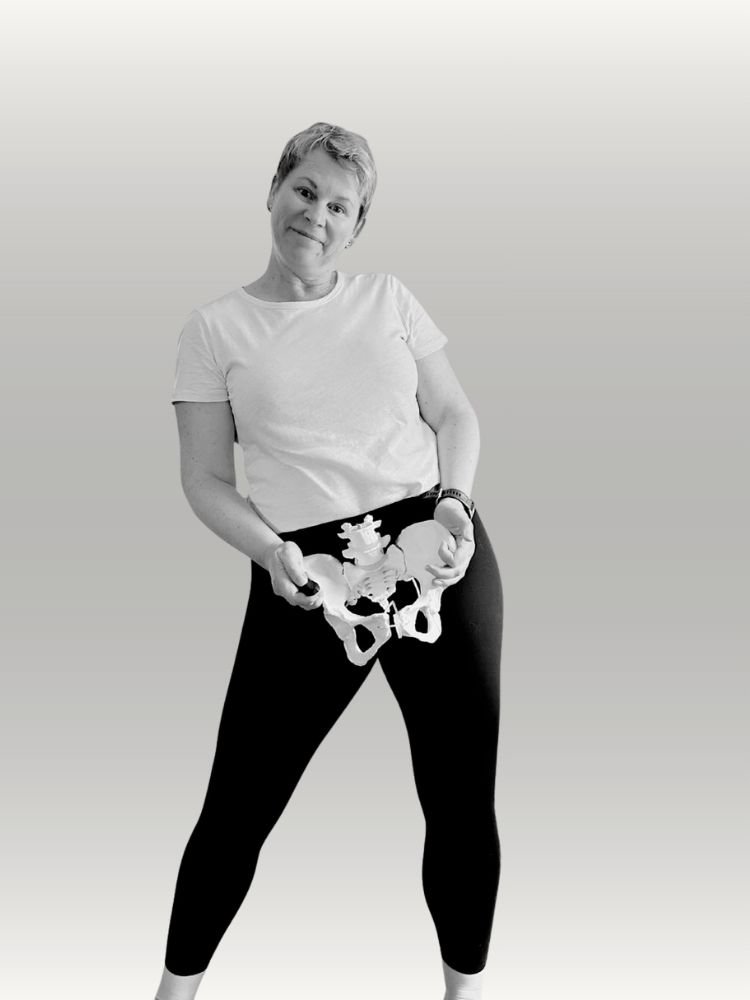
Hey, I’m Rach, your exercise physiologist and pelvic floor fanatic
I think the pelvic floor is phenomenal!
Specifically it’s role in human movement, function and pain.
Because the pelvic floor is not just about child bearing, leaking or prolapse.
It’s an incredible group of muscles that has connections throughout our bodies from top to toe. Literally.
Who it’s for
For women who:
Are worried about leaking urine, gas or faeces
Have low back pain, SIJ pain, pubic symphysis pain or hip pain
Have hypermobility or Ehler’s Danlos Syndrome
Want to be able to participate in sport and exercise they love
Are relying on incontinence pads as a backup
Are worried that their leaking, prolapse or pain is part of their life and will only get worse with age.
Say no to doing things because or their pelvic floor symptoms
Are feeling a loss of positive self-identity as a fit and active woman.
Are having (or considering) surgery for prolapse or other gynaecological concerns
Have had surgery for endo, prolapse or other gynaecological concerns
I’m on a mission, will you join me?
A mission to help women build resilient pelvic floors, using:
assessments to get to the bottom of the issue
strategies to support your pelvic floor from day one
and exercise therapy to build your system to the level you require.
Kind Words
From the floor:
-
My foundational qualifications are a Bachelors degree in Exercise and Sport Science, A Masters in Clinical Exercise Physiology and a Cert IV in Pilates Methodology.
Since graduating, I have completed professional development courses focusing on women’s musculoskeletal health and menopause.
I have owned my own clinic for 6 years where I work with mostly midlife women, who have pelvic floor concerns, persistent pain, menopause symptoms or who want to optimise their health for midlife and beyond.
-
My fees are set based on my expertise, qualifications, and experience.
I have completed extensive additional training in pelvic floor function and exercise therapy, on top of my post-grad exercise physiology qualifications.
To learn more about the session prices, duration and inclusions, please click the “Book me in” button below.
-
As an exercise physiologist, I focus on movement, exercise and education to treat or help you manage your pelvic floor dysfunction.
This includes a whole body focus, rather than just looking at pelvic floor function.
After all, your pelvic floor can’t do all the work!
While it is outside my scope to diagnose or perform manual therapy, I still perform tests, assessments and use my hands to assess or guide you in your movements.
A pelvic health physio is trained in many aspects of pelvic health, not limited to pelvic floor dysfunction. They can perform manual therapy, including internal examination and treatment, and may incorporate the use of pessaries, pelvic floor wands, dilators and other internal treatment methods.
-
If you’re a woman and you:
Have no symptoms and want to ensure things stay that way.
leak when you sneeze, cough, lift, jump, run, walk etc.
Have prolapse or pelvic heaviness
Have pelvic pain with or without endometriosis
Are in perimenopause or menopause
Are pregnant or postpartum
Have persistent pain anywhere- it’s all connected
Have constipation, hemmoroids or fissures
Have tailbone pain
Have recurrent UTI’s that aren’t (IFKYK)
Are pre or post gynaecological surgery
-
An exercise physiology assessment for pelvic floor function involves:
A pelvic health screening questionnaire
A chat about your life experiences; from sports, to work, to your health history
A posture assessment
Assessment of pressure management strategies
Movement analysis to look for compensations or limitations
Assessment of your muscle activation patterns (including breathing and core)
Testing of your strength and imbalances
A discussion to create a plan that fits your circumstances and your life.
-
No, you do not.
But you may be able to access a referral from your GP under a management plan if your pelvic floor dysfunction is chronic or you have another chronic condition such as low back pain.
This would qualify you for up to 5 sessions per calendar year, where you can claim a medicare rebate.